Sample Fares
 Reading time: 2
minutes.
Reading time: 2
minutes.
Visitor statistics reveal that some people arrive at this site searching for fare information, which prompted the creation of this collection to help meet that need. Whilst services such as CheckMyBus or BR Fares can help, they do not cover every journey.
With the challenges of the cost of living, knowing what a trip will cost has become increasingly important. This collation aims to provide a practical reference for public transport fares encountered across Britain and Ireland.
Why Fares Matter
Train fares remain a persistent source of frustration in the U.K., even if fares have been frozen in England until March 2027, providing some temporary stability. However, the system for setting them remains fragmented and opaque, with confusing peak and off-peak distinctions and unclear responsibility for pricing decisions. There is clearly much room for improvement, with the establishment of GBR offering possibilities that may or may not come to fruition.
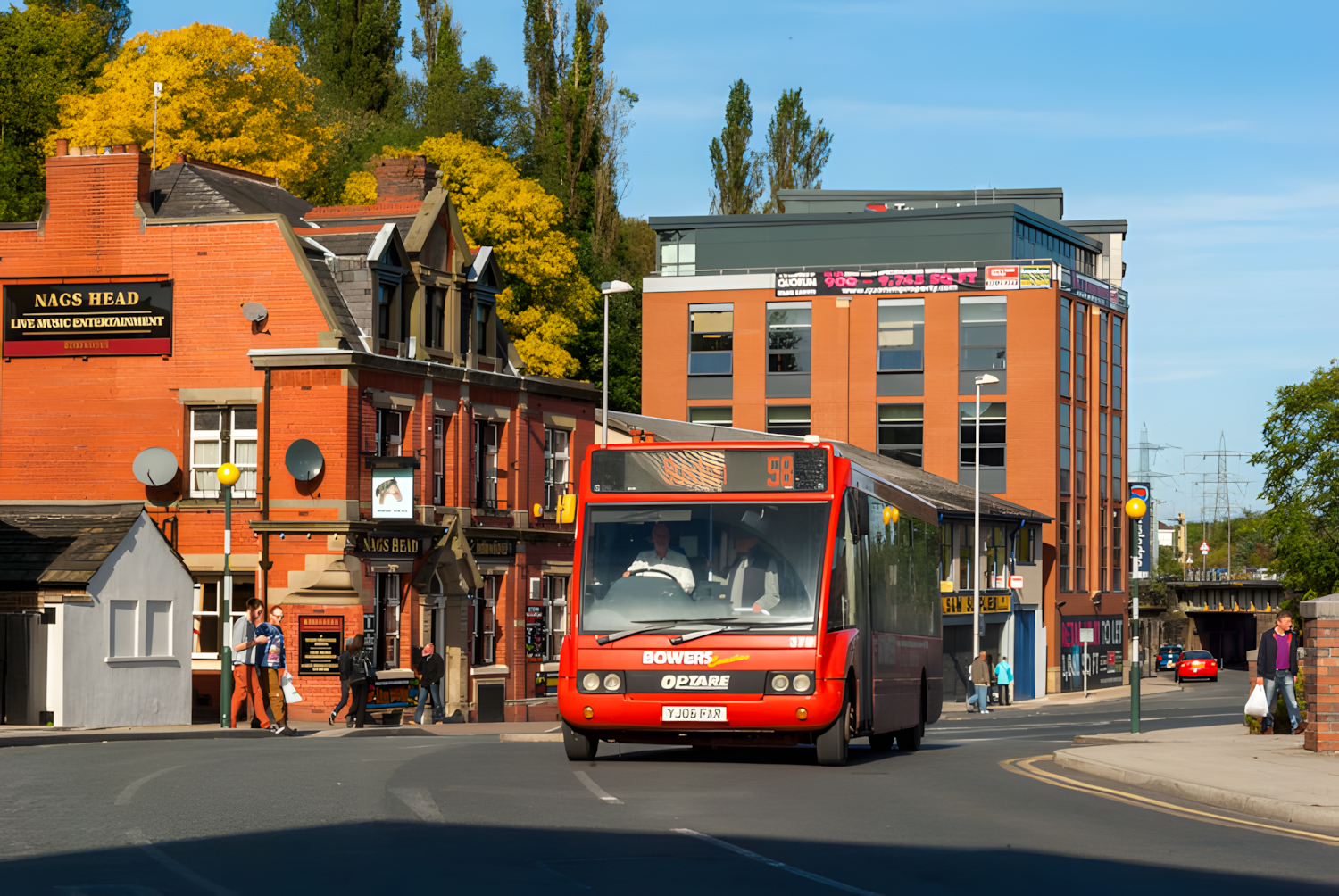
Bus travel is often overlooked compared to rail or air travel, yet buses are the most widely used form of public transport. The lack of widespread inter-operator ticketing means that it is generally easier to identify who sets each price, though fare structures can still vary considerably between operators and regions.
The introduction of the £3 bus fare cap across England has brought some consistency to shorter journeys, replacing the previous £2 cap. However, regional variations persist: Greater Manchester and Liverpool maintain £2 schemes, whilst London operates independently with a £1.75 single fare (frozen until July 2026). These capped fares provide welcome relief for many travellers, though they do not apply universally and longer journeys may still exceed these limits.
What This Inventory Offers
Fares are organised into two categories: bus and train. Fares are added as they are encountered during travel rather than through systematic research, hence the addition of a date as part of each entry. Thus, you can judge whether the information is likely still current. Some pruning will be necessary from time to time, but the aim is to provide a practical snapshot of public transport costs during a period when household budgets are under strain.
Contributing Your Own Fares
Whilst this is a curated compilation, contributions from others are welcome. Requests for fares cannot be fulfilled, so input from others can make a real difference in expanding the usefulness of these lists.
Learn More
Sample British Bus & Coach Fares
Recent Musings
Considering Possible Bus Routes to Glendalough and the Wicklow Mountains
Bus service enhancements for Congleton and the Crewe–Nantwich corridor
October 2026 VIA Rail Schedule Changes on the Quebec City to Windsor Corridor
September 2026 D&G Bus Service Revisions Across Cheshire, Staffordshire and Shropshire
Ireland's Public Transport Fares Set to Rise in 2027
Extras & Utilities
Carrying Bicycles on Buses in Britain and Ireland
Not Just Blogs, A Collection of Public Transport News Sources